Published
Jun 15, 2025
Author
Jurnee Edwards
Art as Investment: How Collectors Spot Value
Art as Investment: How Collectors Spot Value
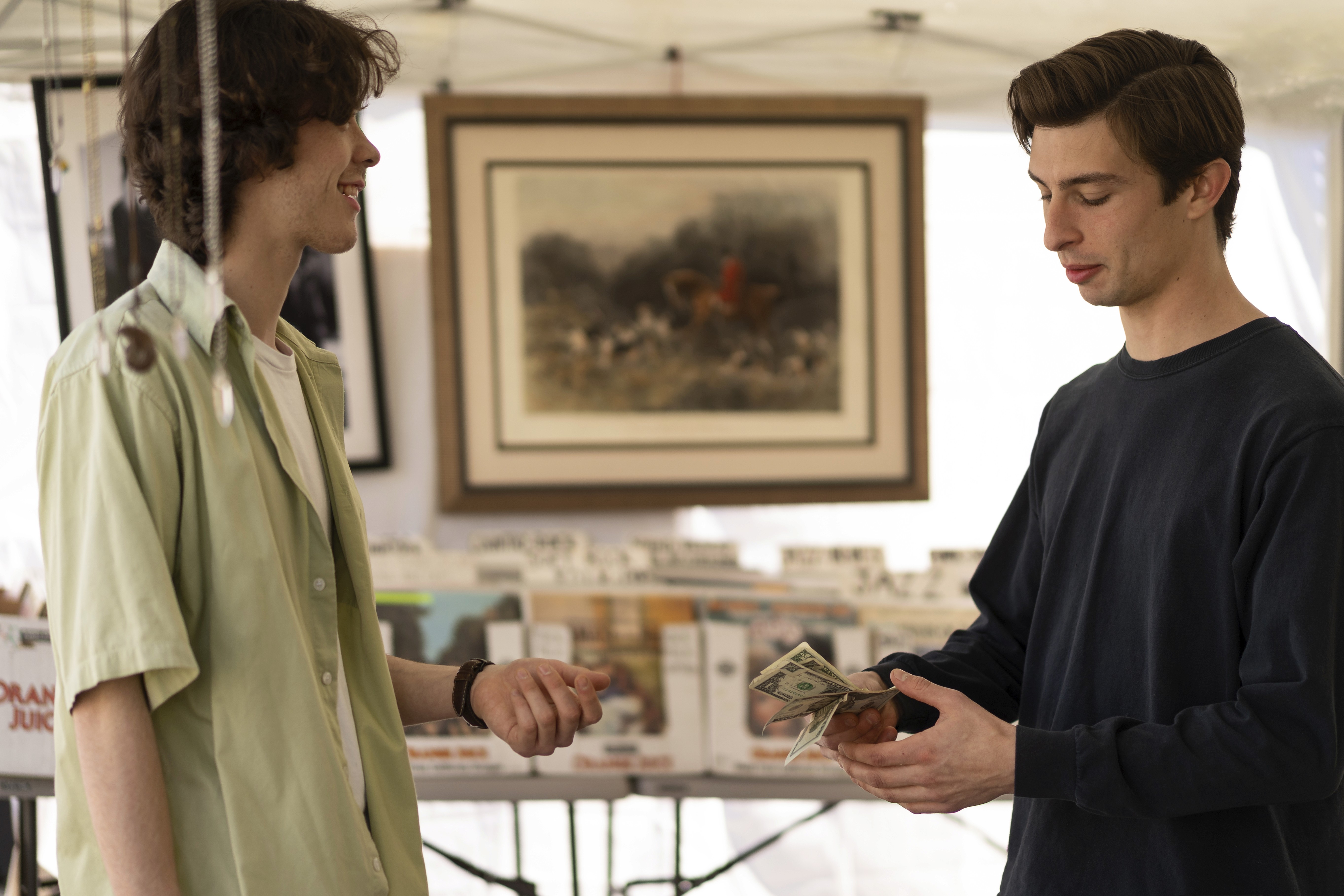
Art has long been admired for its beauty, emotion, and cultural significance—but it’s also increasingly recognized as a valuable investment. From contemporary pieces to classical masterpieces, collectors around the world are turning to art as a way to diversify their portfolios, preserve wealth, and participate in cultural history.
1. Why Art is a Unique Investment
Unlike stocks or real estate, art doesn’t generate dividends or rent, but its value often grows over time. Key benefits include:
Tangible asset: Physical artworks can be displayed, enjoyed, and preserved.
Portfolio diversification: Art often moves independently of financial markets.
Cultural and historical significance: Owning a piece of art is also owning a slice of history.
2. Factors That Influence Art Value
Collectors must consider several elements when assessing an artwork’s investment potential:
Artist Reputation: Works by established or rising artists typically command higher prices.
Rarity and Edition Size: Limited editions or unique pieces often appreciate faster.
Provenance: A documented history of ownership, exhibitions, and sales can significantly impact value.
Condition and Materials: Well-preserved works with durable materials retain value better.
3. Emerging vs. Established Artists
Investing in emerging artists can be riskier but may offer higher returns if the artist gains recognition. Established artists provide stability but often come with higher entry costs. A balanced approach includes a mix of both: a few high-potential emerging artists and a selection of well-known names.
4. Where to Find Valuable Art
Art Galleries and Exhibitions: Ideal for discovering both emerging and mid-career artists.
Auction Houses: Sotheby’s, Christie’s, and Phillips offer access to high-value pieces.
Online Marketplaces: Platforms like Artsy and Saatchi Art provide global access and transparency.
5. Tips for Aspiring Art Collectors
Research Extensively: Know the artist, their career trajectory, and previous sales.
Seek Expert Advice: Art advisors or consultants can help assess value and authenticity.
Invest in Passion: While financial return matters, personal connection to the artwork ensures long-term satisfaction.
Document Everything: Keep records of purchase, provenance, and any conservation work.
Conclusion
Art is a marriage of beauty and strategy. For collectors, spotting value isn’t just about price—it’s about understanding the artist, the story behind the piece, and its place in cultural history. With careful research and a passion for creativity, investing in art can offer both financial growth and profound personal fulfillment.
Art has long been admired for its beauty, emotion, and cultural significance—but it’s also increasingly recognized as a valuable investment. From contemporary pieces to classical masterpieces, collectors around the world are turning to art as a way to diversify their portfolios, preserve wealth, and participate in cultural history.
1. Why Art is a Unique Investment
Unlike stocks or real estate, art doesn’t generate dividends or rent, but its value often grows over time. Key benefits include:
Tangible asset: Physical artworks can be displayed, enjoyed, and preserved.
Portfolio diversification: Art often moves independently of financial markets.
Cultural and historical significance: Owning a piece of art is also owning a slice of history.
2. Factors That Influence Art Value
Collectors must consider several elements when assessing an artwork’s investment potential:
Artist Reputation: Works by established or rising artists typically command higher prices.
Rarity and Edition Size: Limited editions or unique pieces often appreciate faster.
Provenance: A documented history of ownership, exhibitions, and sales can significantly impact value.
Condition and Materials: Well-preserved works with durable materials retain value better.
3. Emerging vs. Established Artists
Investing in emerging artists can be riskier but may offer higher returns if the artist gains recognition. Established artists provide stability but often come with higher entry costs. A balanced approach includes a mix of both: a few high-potential emerging artists and a selection of well-known names.
4. Where to Find Valuable Art
Art Galleries and Exhibitions: Ideal for discovering both emerging and mid-career artists.
Auction Houses: Sotheby’s, Christie’s, and Phillips offer access to high-value pieces.
Online Marketplaces: Platforms like Artsy and Saatchi Art provide global access and transparency.
5. Tips for Aspiring Art Collectors
Research Extensively: Know the artist, their career trajectory, and previous sales.
Seek Expert Advice: Art advisors or consultants can help assess value and authenticity.
Invest in Passion: While financial return matters, personal connection to the artwork ensures long-term satisfaction.
Document Everything: Keep records of purchase, provenance, and any conservation work.
Conclusion
Art is a marriage of beauty and strategy. For collectors, spotting value isn’t just about price—it’s about understanding the artist, the story behind the piece, and its place in cultural history. With careful research and a passion for creativity, investing in art can offer both financial growth and profound personal fulfillment.
Next Projects

Aug 17, 2024
Art for Everyone: How to Make Creativity Accessible
Aug 17, 2024
Art for Everyone: How to Make Creativity Accessible

Dec 30, 2024
Street Art as a Form of Social Commentary
Dec 30, 2024
Street Art as a Form of Social Commentary
Sep 4, 2025
Behind the Canvas: Stories of Famous Artworks
Sep 4, 2025
Behind the Canvas: Stories of Famous Artworks