Published
Aug 17, 2024
Author
Jurnee Edwards
Art for Everyone: How to Make Creativity Accessible
Art for Everyone: How to Make Creativity Accessible
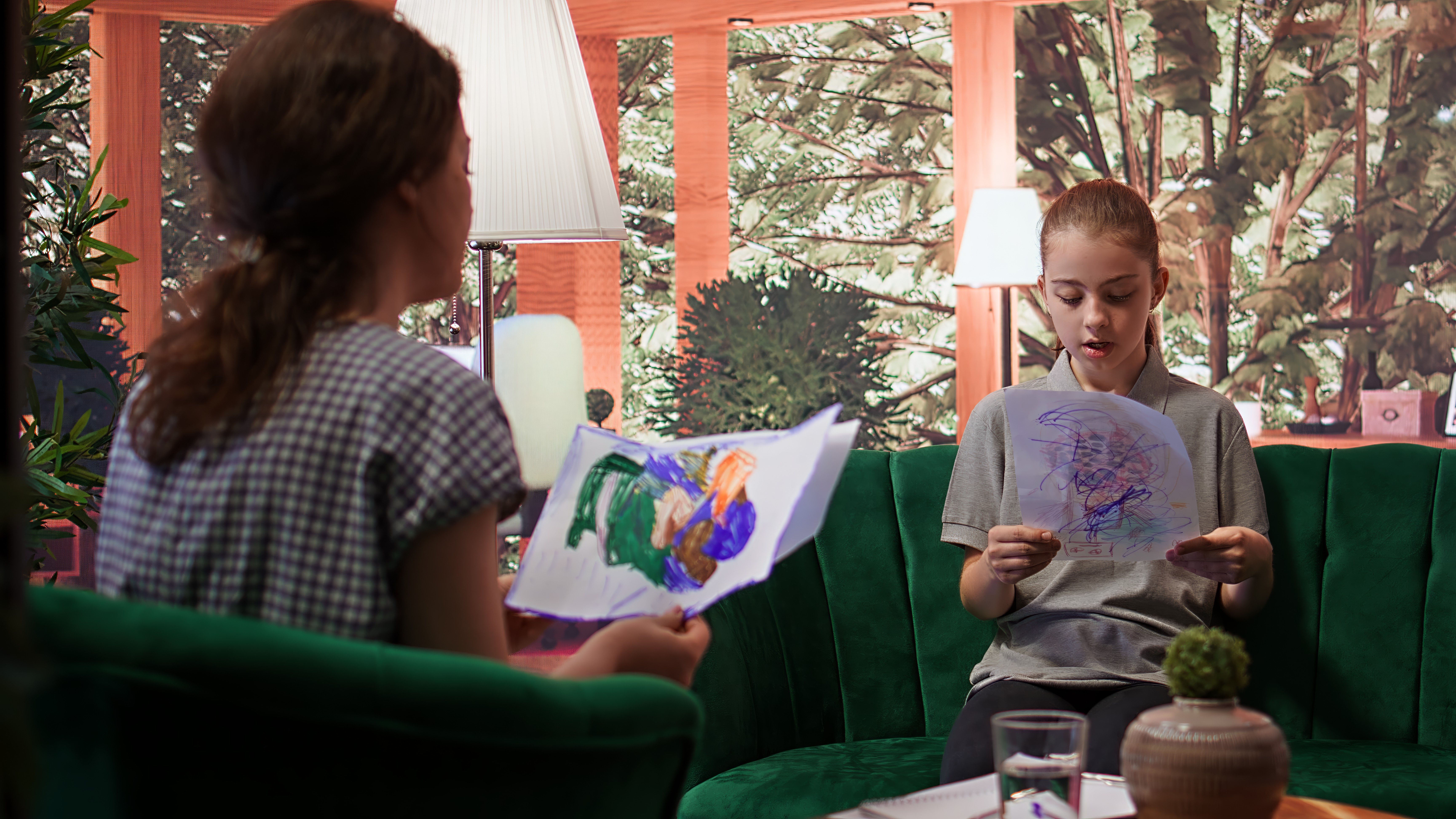
Art is often perceived as exclusive—reserved for elite collectors, professional artists, or gallery-goers. But creativity belongs to everyone. Making art accessible means breaking down barriers, encouraging self-expression, and inspiring people from all walks of life to explore their creative potential.
1. The Importance of Accessibility in Art
Art enriches lives. It improves mental well-being, stimulates imagination, and fosters cultural understanding. When everyone has access to art, creativity becomes a tool for personal growth, community connection, and social change.
2. Affordable Tools and Resources
Creating art doesn’t require expensive supplies or formal training. Many accessible tools can help anyone get started:
Digital Platforms: Apps like Procreate or Canva make digital art easy and affordable.
Basic Materials: Simple sketchbooks, pencils, and paints are enough to start experimenting.
Online Tutorials: Platforms like YouTube and Skillshare offer free or low-cost lessons for beginners.
3. Public Spaces and Community Initiatives
Galleries, museums, and community art programs are making art accessible to wider audiences:
Open Exhibitions: Free gallery days allow everyone to experience professional artworks.
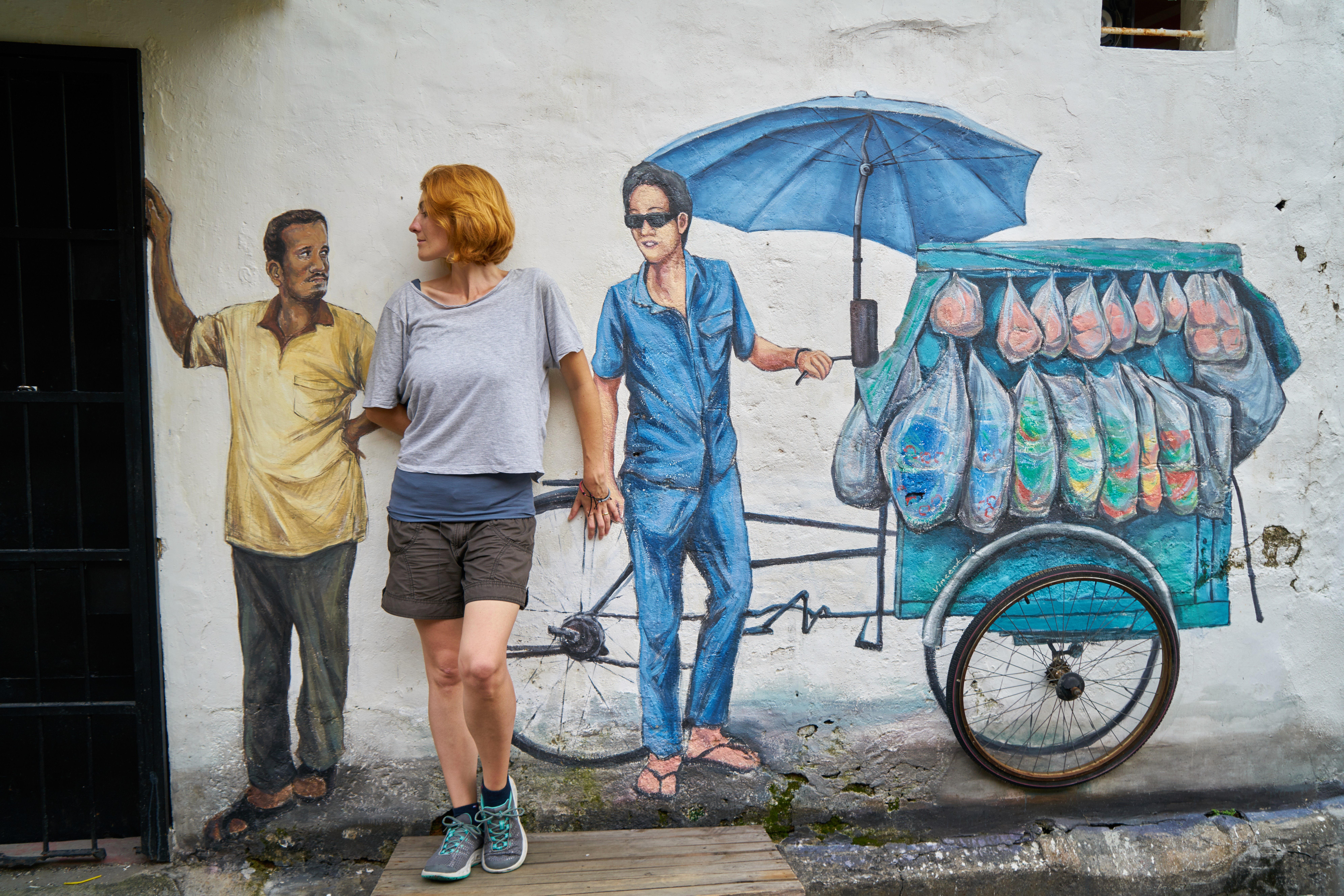
Street Art and Murals: Public art transforms everyday spaces into creative experiences.
Community Workshops: Local programs provide hands-on experience, fostering creativity and collaboration.
4. Inclusivity in Art Creation
Accessibility isn’t just about viewing art—it’s about participation:
Adaptive Art Tools: Materials designed for individuals with disabilities.
Cultural Representation: Showcasing diverse artists and traditions encourages connection and inspiration.
Collaborative Projects: Community murals, public performances, and art jams invite collective creativity.
5. Making Creativity a Daily Habit
Art doesn’t need to be intimidating. Simple daily practices can make creativity accessible:
Doodling or Sketching: Take five minutes a day to draw or jot ideas visually.
Photography: Capturing moments with a phone camera can be an artistic outlet.
DIY Projects: Transform everyday objects into art, like decorating spaces or creating handmade gifts.
Conclusion
Art is a language everyone can speak. By removing barriers, providing resources, and fostering inclusive opportunities, creativity becomes a source of joy, learning, and self-expression for all. At Alueria, we believe in making art an everyday experience—accessible, inspiring, and empowering.
Art is often perceived as exclusive—reserved for elite collectors, professional artists, or gallery-goers. But creativity belongs to everyone. Making art accessible means breaking down barriers, encouraging self-expression, and inspiring people from all walks of life to explore their creative potential.
1. The Importance of Accessibility in Art
Art enriches lives. It improves mental well-being, stimulates imagination, and fosters cultural understanding. When everyone has access to art, creativity becomes a tool for personal growth, community connection, and social change.
2. Affordable Tools and Resources
Creating art doesn’t require expensive supplies or formal training. Many accessible tools can help anyone get started:
Digital Platforms: Apps like Procreate or Canva make digital art easy and affordable.
Basic Materials: Simple sketchbooks, pencils, and paints are enough to start experimenting.
Online Tutorials: Platforms like YouTube and Skillshare offer free or low-cost lessons for beginners.
3. Public Spaces and Community Initiatives
Galleries, museums, and community art programs are making art accessible to wider audiences:
Open Exhibitions: Free gallery days allow everyone to experience professional artworks.
Street Art and Murals: Public art transforms everyday spaces into creative experiences.
Community Workshops: Local programs provide hands-on experience, fostering creativity and collaboration.
4. Inclusivity in Art Creation
Accessibility isn’t just about viewing art—it’s about participation:
Adaptive Art Tools: Materials designed for individuals with disabilities.
Cultural Representation: Showcasing diverse artists and traditions encourages connection and inspiration.
Collaborative Projects: Community murals, public performances, and art jams invite collective creativity.
5. Making Creativity a Daily Habit
Art doesn’t need to be intimidating. Simple daily practices can make creativity accessible:
Doodling or Sketching: Take five minutes a day to draw or jot ideas visually.
Photography: Capturing moments with a phone camera can be an artistic outlet.
DIY Projects: Transform everyday objects into art, like decorating spaces or creating handmade gifts.
Conclusion
Art is a language everyone can speak. By removing barriers, providing resources, and fostering inclusive opportunities, creativity becomes a source of joy, learning, and self-expression for all. At Alueria, we believe in making art an everyday experience—accessible, inspiring, and empowering.
Next Projects
Dec 30, 2024
Street Art as a Form of Social Commentary
Dec 30, 2024
Street Art as a Form of Social Commentary
Sep 4, 2025
Behind the Canvas: Stories of Famous Artworks
Sep 4, 2025
Behind the Canvas: Stories of Famous Artworks

Oct 10, 2025
How Art Influences Fashion and Design Trends
Oct 10, 2025
How Art Influences Fashion and Design Trends