Published
Oct 10, 2025
Author
Jurnee Edwards
How Art Influences Fashion and Design Trends
How Art Influences Fashion and Design Trends
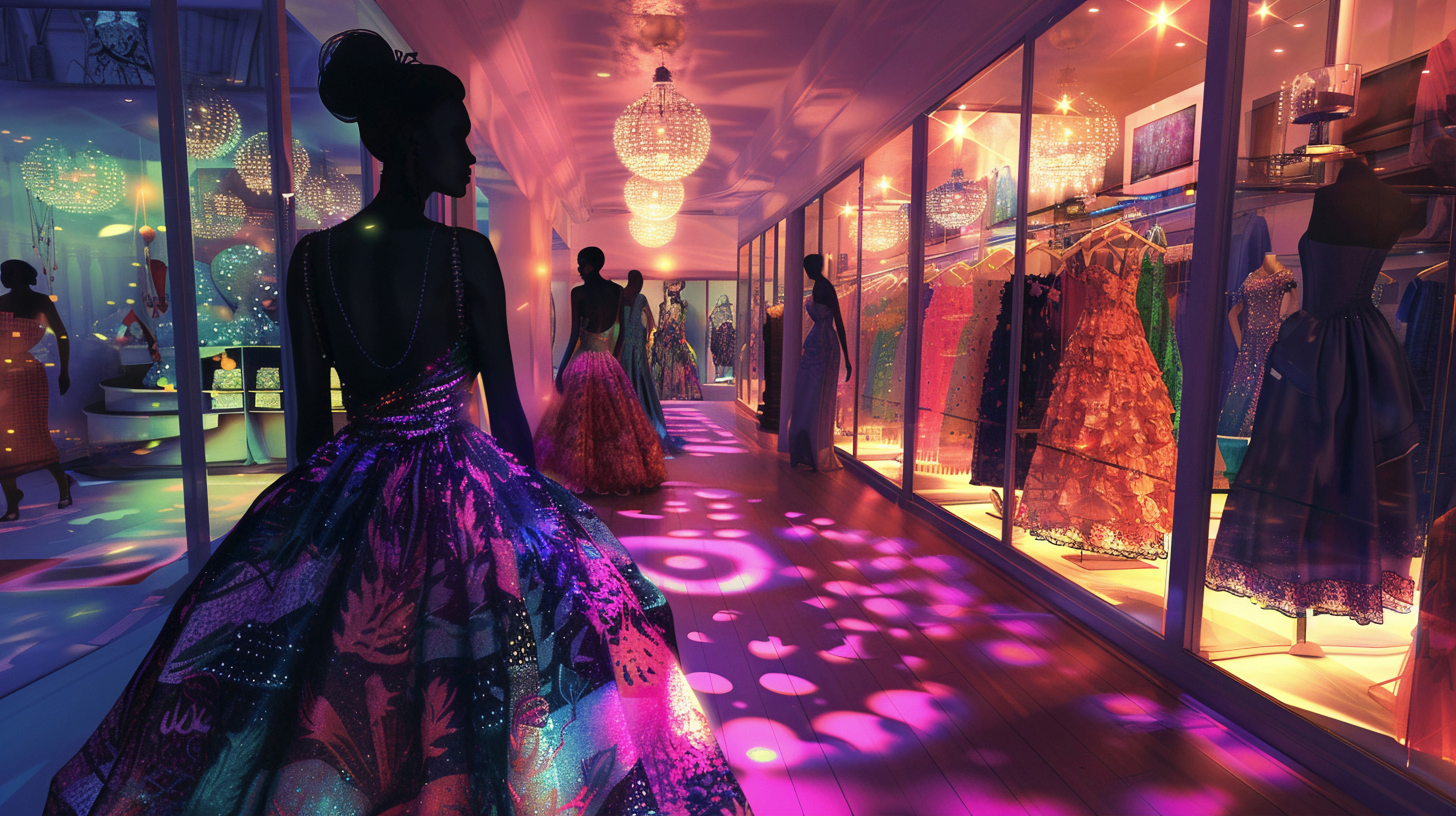
Art and fashion have always shared a dynamic relationship. What begins as a stroke on a canvas can become a pattern on a runway, a color palette in interior design, or an inspiration for everyday style. The dialogue between these creative worlds shapes culture, aesthetics, and consumer trends in ways that are subtle yet profoundly influential.
1. Color Palettes Inspired by Masterpieces
Designers often draw from famous artworks to set seasonal color trends. Take the bold contrasts of Fauvism or the muted tones of impressionism—these palettes frequently reappear in clothing lines, home décor, and even graphic design. When Yves Saint Laurent launched his Mondrian Collection in 1965, he transformed Piet Mondrian’s minimalist grids into wearable art, blurring the lines between gallery and runway.
2. Textures and Materials
Art isn’t only about color; it’s also about texture. Paintings with thick, expressive brush strokes inspire fabric choices like velvet, brocade, or embroidered patterns. Sculptural art influences the cut and structure of garments, leading to dramatic silhouettes in fashion and innovative furniture designs in interiors.
3. Patterns and Prints
Art movements provide endless sources for prints and patterns. Pop Art brought comic-style prints to clothing in the 1960s, while contemporary street art continues to inspire bold, graphic designs. Fashion brands now collaborate directly with artists to create limited-edition collections, turning paintings into wearable statements.
4. Cultural Narratives
Art often reflects societal movements, and designers translate these narratives into fashion and design. Political posters, protest art, and cultural icons influence everything from handbag motifs to wallpaper designs. This connection allows consumers to wear and live art, making style a form of storytelling.
5. The Future of Art in Design
With technology bridging the physical and digital worlds, we’re seeing augmented reality, 3D-printed fashion, and AI-generated designs inspired by art. Designers are exploring interactive pieces where viewers can experience shifting patterns, colors, or textures influenced by classic and contemporary art. The possibilities are limitless.
How to See Art’s Influence in Everyday Life
Observe patterns in clothing and interiors: Look for direct inspiration from historical or contemporary art.
Follow artist collaborations: Fashion weeks and design expos often feature partnerships with visual artists.
Experiment with your own style: Mix colors, textures, and patterns in ways inspired by your favorite artworks.
Art is more than a gallery exhibit—it’s a cultural engine. From the clothes we wear to the spaces we inhabit, its influence is everywhere. By understanding these connections, we can appreciate both fashion and design as living extensions of art itself.
Art and fashion have always shared a dynamic relationship. What begins as a stroke on a canvas can become a pattern on a runway, a color palette in interior design, or an inspiration for everyday style. The dialogue between these creative worlds shapes culture, aesthetics, and consumer trends in ways that are subtle yet profoundly influential.
1. Color Palettes Inspired by Masterpieces
Designers often draw from famous artworks to set seasonal color trends. Take the bold contrasts of Fauvism or the muted tones of impressionism—these palettes frequently reappear in clothing lines, home décor, and even graphic design. When Yves Saint Laurent launched his Mondrian Collection in 1965, he transformed Piet Mondrian’s minimalist grids into wearable art, blurring the lines between gallery and runway.
2. Textures and Materials
Art isn’t only about color; it’s also about texture. Paintings with thick, expressive brush strokes inspire fabric choices like velvet, brocade, or embroidered patterns. Sculptural art influences the cut and structure of garments, leading to dramatic silhouettes in fashion and innovative furniture designs in interiors.
3. Patterns and Prints
Art movements provide endless sources for prints and patterns. Pop Art brought comic-style prints to clothing in the 1960s, while contemporary street art continues to inspire bold, graphic designs. Fashion brands now collaborate directly with artists to create limited-edition collections, turning paintings into wearable statements.
4. Cultural Narratives
Art often reflects societal movements, and designers translate these narratives into fashion and design. Political posters, protest art, and cultural icons influence everything from handbag motifs to wallpaper designs. This connection allows consumers to wear and live art, making style a form of storytelling.
5. The Future of Art in Design
With technology bridging the physical and digital worlds, we’re seeing augmented reality, 3D-printed fashion, and AI-generated designs inspired by art. Designers are exploring interactive pieces where viewers can experience shifting patterns, colors, or textures influenced by classic and contemporary art. The possibilities are limitless.
How to See Art’s Influence in Everyday Life
Observe patterns in clothing and interiors: Look for direct inspiration from historical or contemporary art.
Follow artist collaborations: Fashion weeks and design expos often feature partnerships with visual artists.
Experiment with your own style: Mix colors, textures, and patterns in ways inspired by your favorite artworks.
Art is more than a gallery exhibit—it’s a cultural engine. From the clothes we wear to the spaces we inhabit, its influence is everywhere. By understanding these connections, we can appreciate both fashion and design as living extensions of art itself.
Next Projects
Nov 10, 2024
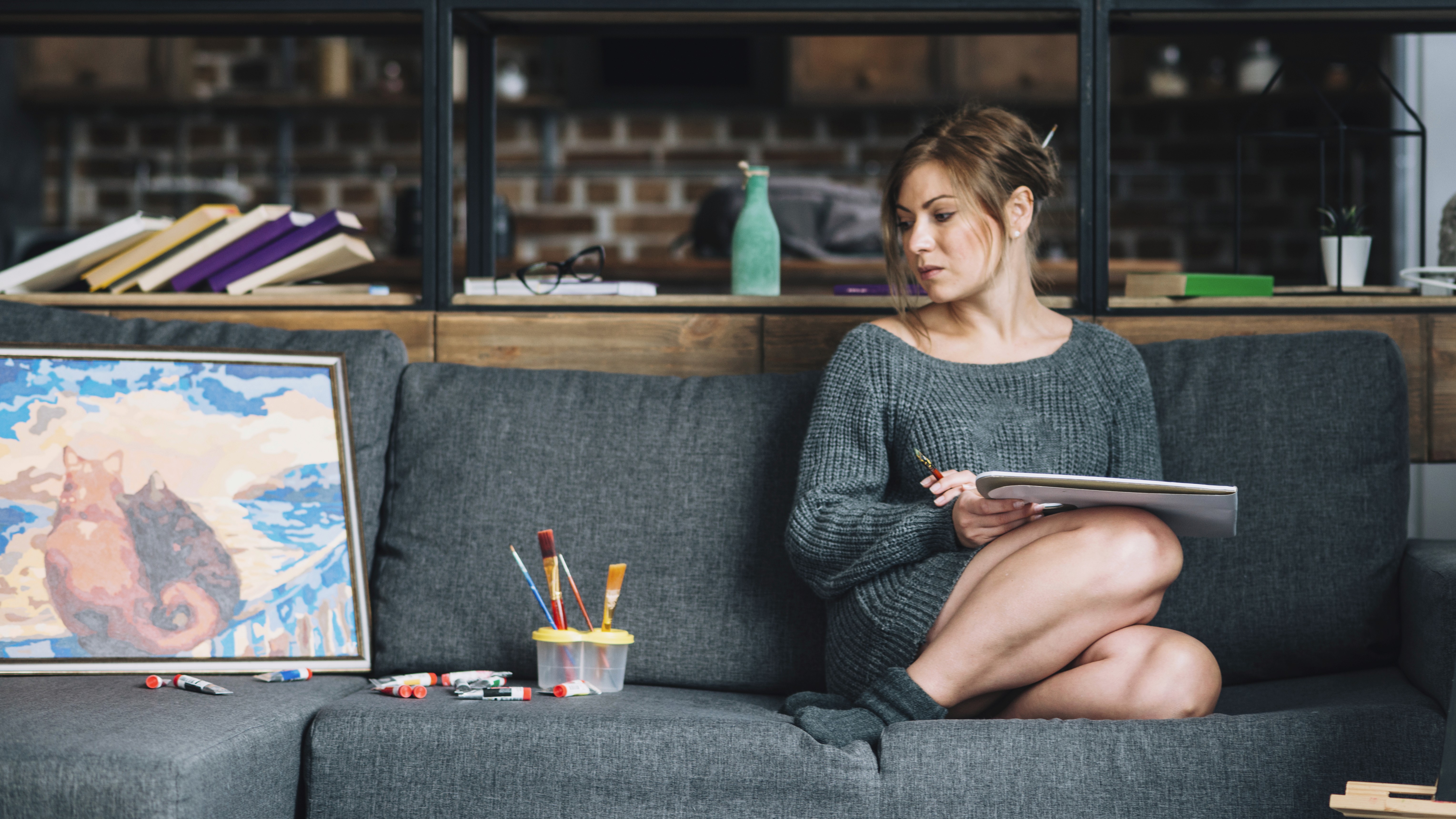
The Role of Art in Mindfulness and Mental Health
Nov 10, 2024
The Role of Art in Mindfulness and Mental Health
Jun 15, 2025
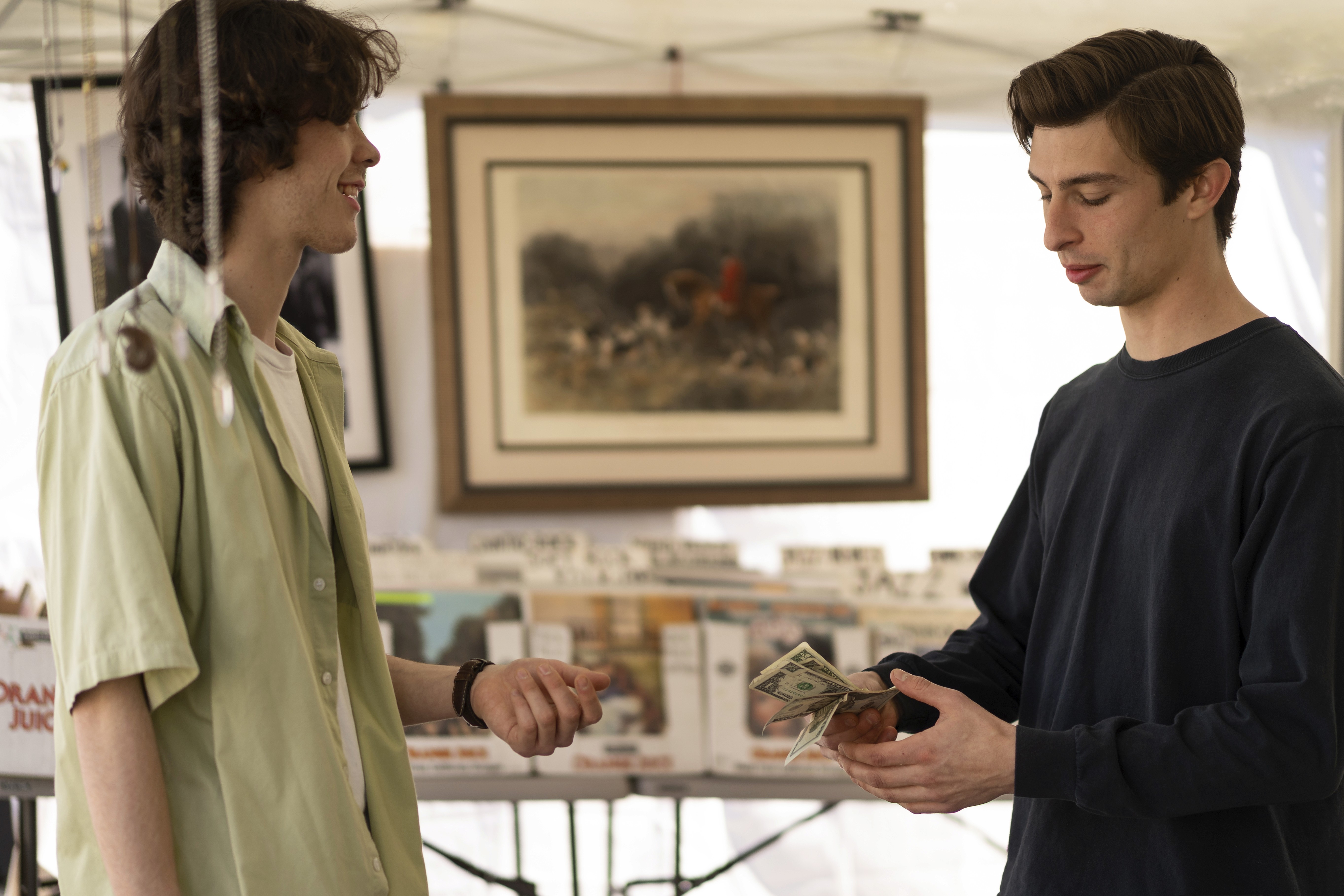
Art as Investment: How Collectors Spot Value
Jun 15, 2025
Art as Investment: How Collectors Spot Value
Aug 17, 2024
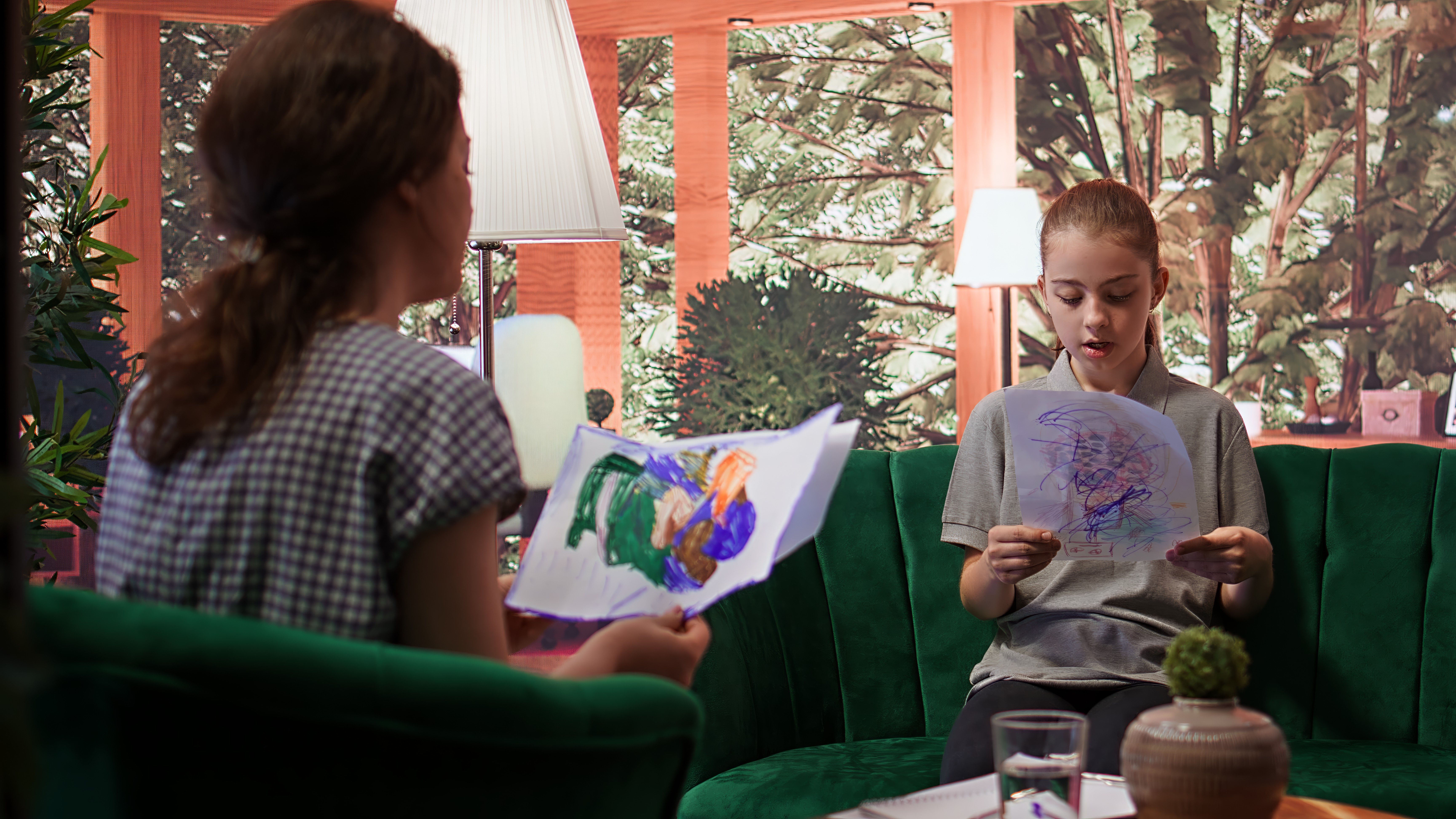
Art for Everyone: How to Make Creativity Accessible
Aug 17, 2024
Art for Everyone: How to Make Creativity Accessible