Published
Nov 10, 2024
Author
Jurnee Edwards
The Role of Art in Mindfulness and Mental Health
The Role of Art in Mindfulness and Mental Health
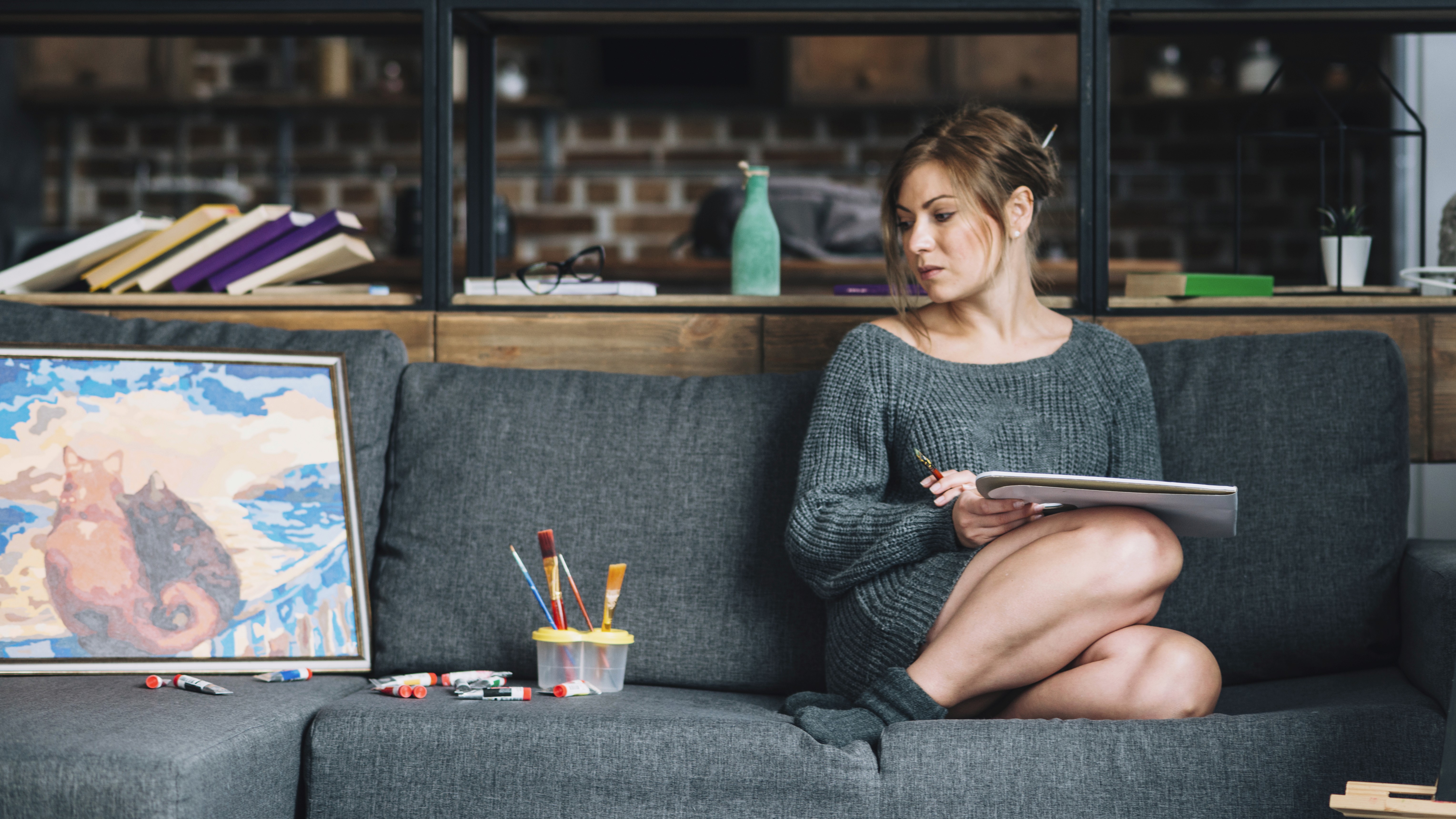
In today’s fast-paced world, mental health and mindfulness have become essential topics. One powerful tool often overlooked in this space is art. Engaging with art—whether by creating, observing, or curating—offers a unique pathway to mindfulness, emotional release, and mental well-being.
1. Art as a Form of Meditation
Creating art requires focus, attention to detail, and immersion in the present moment—qualities central to mindfulness practice. Whether sketching, painting, or sculpting, the act of making art encourages the mind to slow down and focus on a single task, allowing stress and anxiety to dissipate.
2. Viewing Art to Calm the Mind
Observing art can also trigger mindfulness. Studies have shown that visiting galleries or exploring art online can lower heart rate and reduce cortisol levels. Focusing on color, texture, and composition encourages the brain to engage in a meditative state, enhancing relaxation and emotional clarity.
3. Expressing Emotions Safely
Art provides a safe outlet for expressing complex emotions. For those struggling to verbalize feelings, creative expression becomes a bridge to self-understanding. Abstract art, in particular, allows individuals to externalize emotions visually, creating a sense of release and relief.
4. Boosting Cognitive Function and Creativity
Engaging with art stimulates brain activity, encouraging problem-solving, pattern recognition, and innovative thinking. Mindfulness and cognitive growth go hand in hand, and art practice nurtures both simultaneously. Even simple daily exercises, like journaling with sketches or coloring, can strengthen mental agility and emotional resilience.
5. Building a Personal Mindful Art Practice
Daily Sketching or Doodling: Spend 10–15 minutes capturing thoughts or emotions visually.
Art Journaling: Combine writing and illustration to process feelings.
Gallery Walks: Visit local galleries or explore online collections with focused attention.
Mindful Observation: Choose a single artwork and study it in detail, noticing colors, textures, and emotions it evokes.
Art is more than aesthetic pleasure—it’s a mental and emotional ally. By integrating art into daily life, we cultivate mindfulness, foster emotional expression, and create a sanctuary for mental well-being. The next time you feel overwhelmed, pick up a brush, a pencil, or simply pause to observe a piece of art. Your mind will thank you.
In today’s fast-paced world, mental health and mindfulness have become essential topics. One powerful tool often overlooked in this space is art. Engaging with art—whether by creating, observing, or curating—offers a unique pathway to mindfulness, emotional release, and mental well-being.
1. Art as a Form of Meditation
Creating art requires focus, attention to detail, and immersion in the present moment—qualities central to mindfulness practice. Whether sketching, painting, or sculpting, the act of making art encourages the mind to slow down and focus on a single task, allowing stress and anxiety to dissipate.
2. Viewing Art to Calm the Mind
Observing art can also trigger mindfulness. Studies have shown that visiting galleries or exploring art online can lower heart rate and reduce cortisol levels. Focusing on color, texture, and composition encourages the brain to engage in a meditative state, enhancing relaxation and emotional clarity.
3. Expressing Emotions Safely
Art provides a safe outlet for expressing complex emotions. For those struggling to verbalize feelings, creative expression becomes a bridge to self-understanding. Abstract art, in particular, allows individuals to externalize emotions visually, creating a sense of release and relief.
4. Boosting Cognitive Function and Creativity
Engaging with art stimulates brain activity, encouraging problem-solving, pattern recognition, and innovative thinking. Mindfulness and cognitive growth go hand in hand, and art practice nurtures both simultaneously. Even simple daily exercises, like journaling with sketches or coloring, can strengthen mental agility and emotional resilience.
5. Building a Personal Mindful Art Practice
Daily Sketching or Doodling: Spend 10–15 minutes capturing thoughts or emotions visually.
Art Journaling: Combine writing and illustration to process feelings.
Gallery Walks: Visit local galleries or explore online collections with focused attention.
Mindful Observation: Choose a single artwork and study it in detail, noticing colors, textures, and emotions it evokes.
Art is more than aesthetic pleasure—it’s a mental and emotional ally. By integrating art into daily life, we cultivate mindfulness, foster emotional expression, and create a sanctuary for mental well-being. The next time you feel overwhelmed, pick up a brush, a pencil, or simply pause to observe a piece of art. Your mind will thank you.
Next Projects
Jun 15, 2025
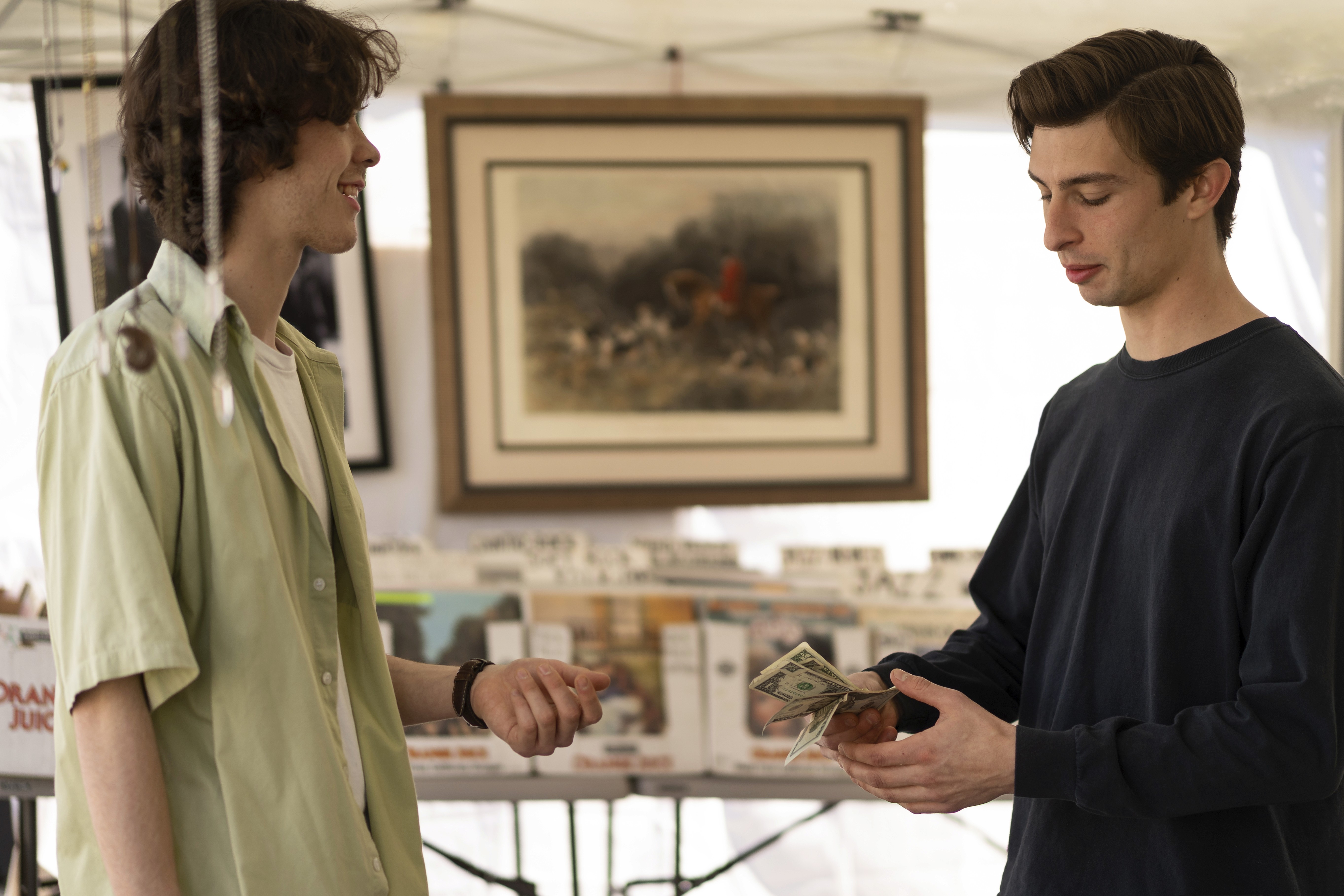
Art as Investment: How Collectors Spot Value
Jun 15, 2025
Art as Investment: How Collectors Spot Value
Aug 17, 2024
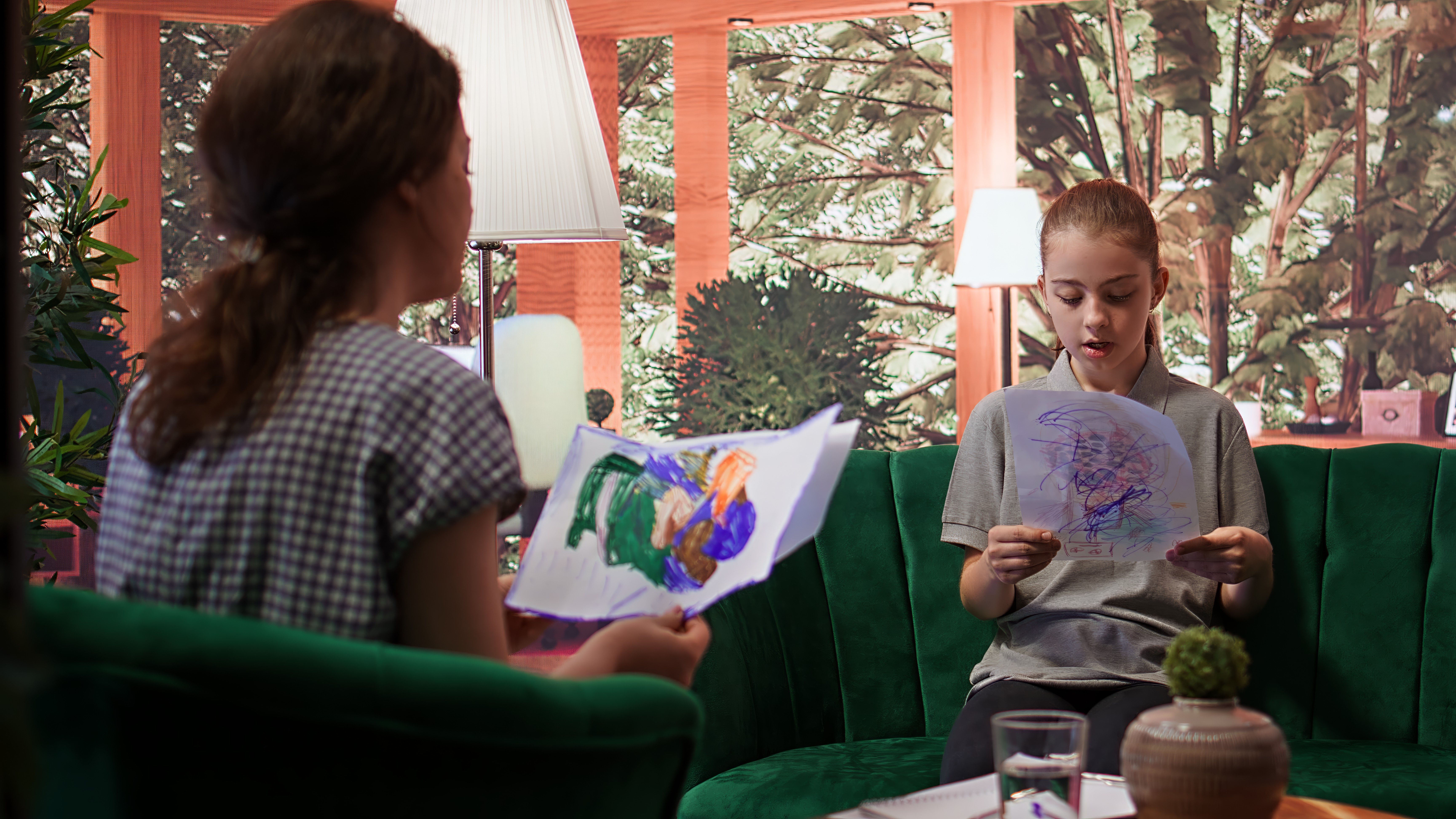
Art for Everyone: How to Make Creativity Accessible
Aug 17, 2024
Art for Everyone: How to Make Creativity Accessible
Dec 30, 2024
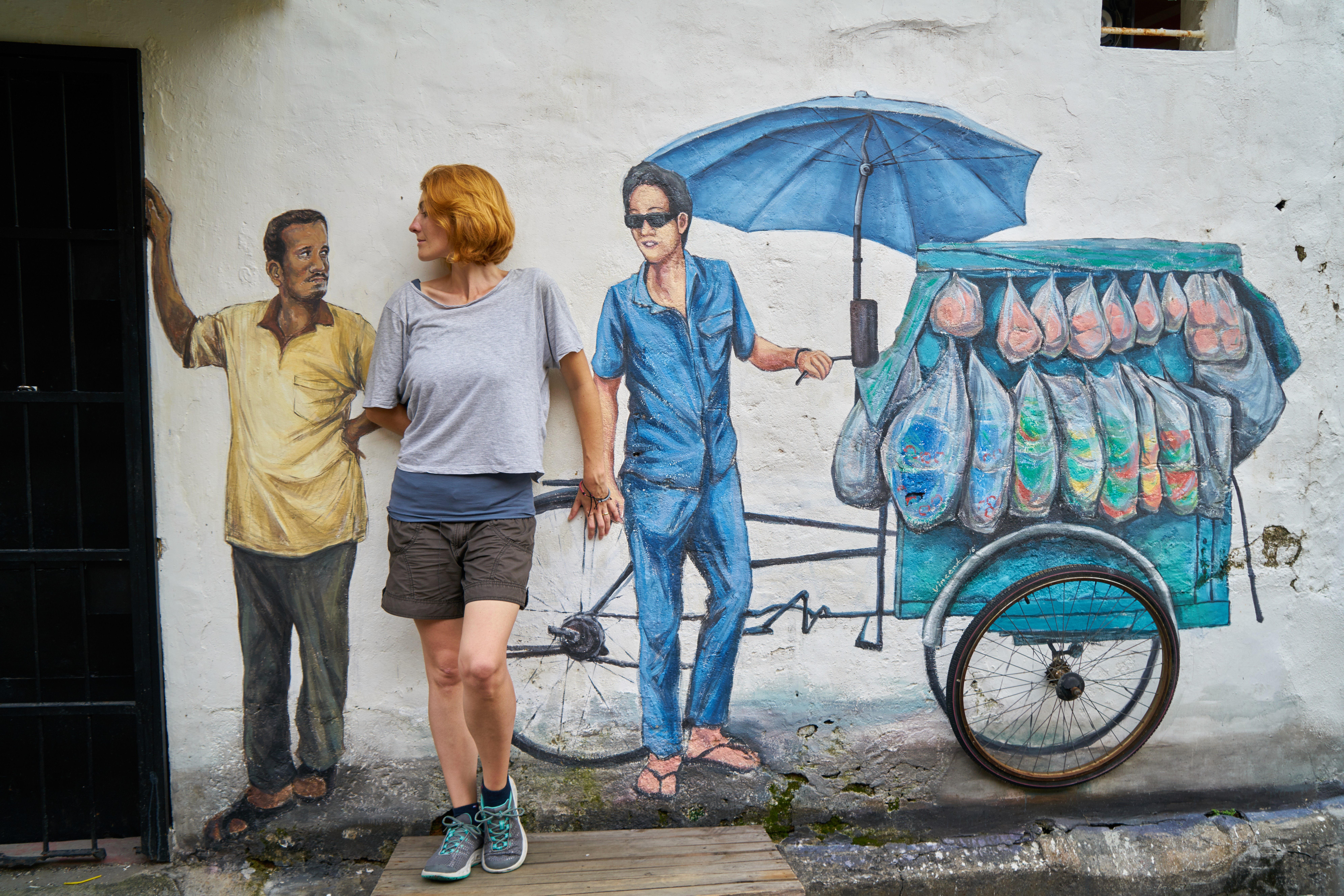
Street Art as a Form of Social Commentary
Dec 30, 2024
Street Art as a Form of Social Commentary