Published
Dec 30, 2024
Author
Jurnee Edwards
Street Art as a Form of Social Commentary
Street Art as a Form of Social Commentary
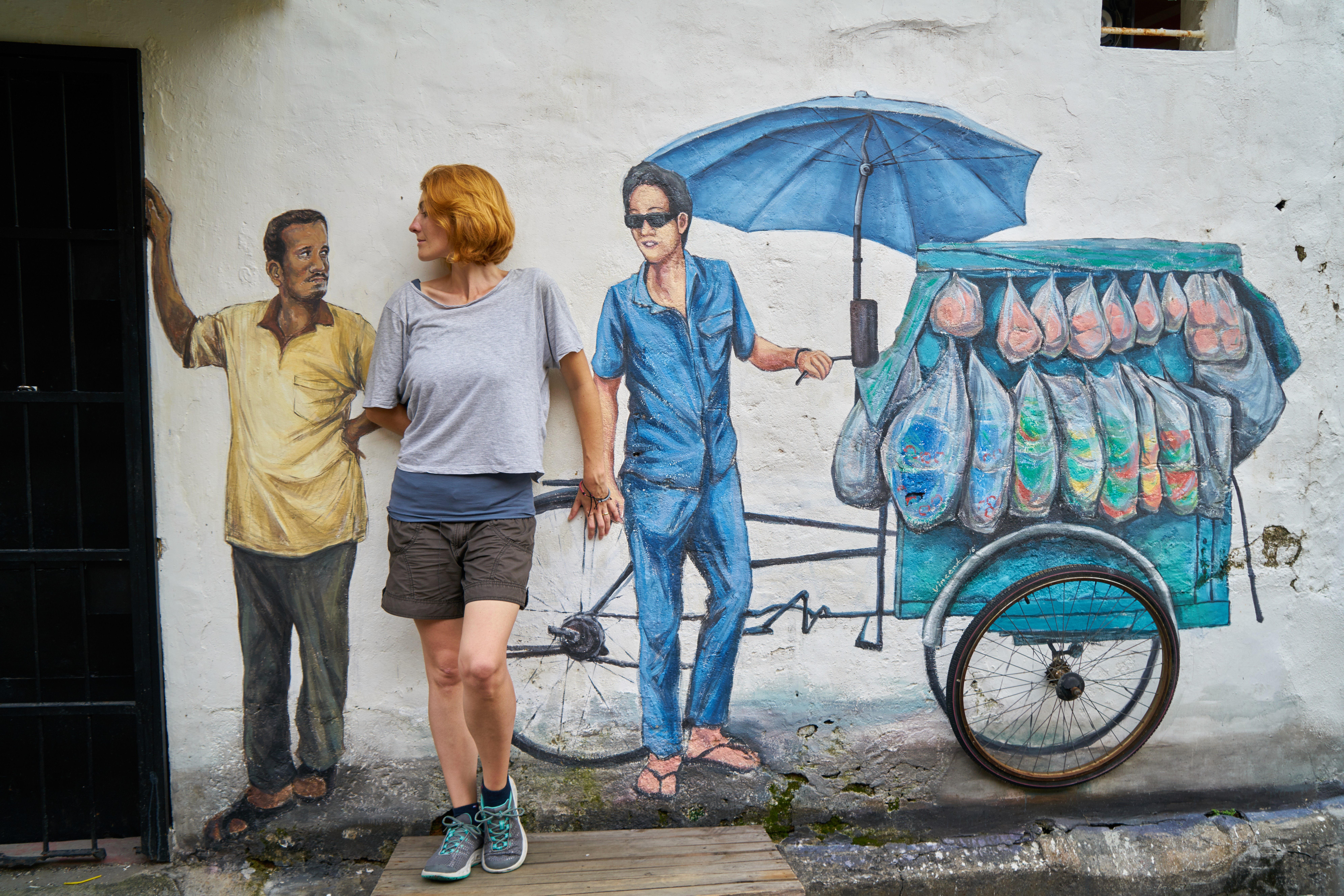
Street art has evolved far beyond graffiti on walls—it is now a powerful medium for social commentary, activism, and cultural expression. From bold murals to subtle installations, street artists around the world use public spaces to spark conversation, challenge norms, and give voice to communities often overlooked.
1. The Origins of Street Art as Protest
Street art has roots in rebellion. In the 20th century, graffiti became a way for marginalized groups to express identity and dissent. Murals in cities like Philadelphia, Mexico City, and Berlin conveyed political messages, critiqued government policies, and demanded social justice—all in the public eye.
2. Iconic Examples Around the World
Banksy (UK): Known for his satirical and politically charged pieces, Banksy highlights issues like consumerism, war, and inequality.
Keith Haring (USA): Haring’s vibrant figures addressed AIDS awareness and social activism in the 1980s.
Fintan Magee (Australia): Large-scale murals often tackle climate change and environmental concerns.
3. Art in the Public Sphere
Street art engages audiences outside traditional galleries, making social commentary accessible to everyone. By existing in everyday spaces—on walls, bridges, and sidewalks—it transforms the city into a canvas and forces people to confront issues in real-time.
4. The Role of Street Art in Community Identity
Street art can foster pride, dialogue, and identity within neighborhoods:
Celebrating Culture: Murals can honor local history, traditions, and heroes.
Creating Dialogue: Provocative pieces inspire conversation about social issues.
Community Engagement: Collaborative murals and street art projects bring residents together.
5. Street Art as a Catalyst for Change
Street art is more than aesthetic; it’s activism. By blending creativity with social awareness, artists can:
Challenge systemic inequality
Raise awareness about environmental issues
Inspire civic engagement
Document historical and cultural moments
Conclusion
Street art is storytelling in its rawest, most public form. It turns walls into voices, transforming cities into living galleries where society can reflect, debate, and evolve. For Alueria, celebrating street art means recognizing that creativity isn’t confined to museums—it’s in the streets, in the communities, and in the messages that demand to be seen.
Street art has evolved far beyond graffiti on walls—it is now a powerful medium for social commentary, activism, and cultural expression. From bold murals to subtle installations, street artists around the world use public spaces to spark conversation, challenge norms, and give voice to communities often overlooked.
1. The Origins of Street Art as Protest
Street art has roots in rebellion. In the 20th century, graffiti became a way for marginalized groups to express identity and dissent. Murals in cities like Philadelphia, Mexico City, and Berlin conveyed political messages, critiqued government policies, and demanded social justice—all in the public eye.
2. Iconic Examples Around the World
Banksy (UK): Known for his satirical and politically charged pieces, Banksy highlights issues like consumerism, war, and inequality.
Keith Haring (USA): Haring’s vibrant figures addressed AIDS awareness and social activism in the 1980s.
Fintan Magee (Australia): Large-scale murals often tackle climate change and environmental concerns.
3. Art in the Public Sphere
Street art engages audiences outside traditional galleries, making social commentary accessible to everyone. By existing in everyday spaces—on walls, bridges, and sidewalks—it transforms the city into a canvas and forces people to confront issues in real-time.
4. The Role of Street Art in Community Identity
Street art can foster pride, dialogue, and identity within neighborhoods:
Celebrating Culture: Murals can honor local history, traditions, and heroes.
Creating Dialogue: Provocative pieces inspire conversation about social issues.
Community Engagement: Collaborative murals and street art projects bring residents together.
5. Street Art as a Catalyst for Change
Street art is more than aesthetic; it’s activism. By blending creativity with social awareness, artists can:
Challenge systemic inequality
Raise awareness about environmental issues
Inspire civic engagement
Document historical and cultural moments
Conclusion
Street art is storytelling in its rawest, most public form. It turns walls into voices, transforming cities into living galleries where society can reflect, debate, and evolve. For Alueria, celebrating street art means recognizing that creativity isn’t confined to museums—it’s in the streets, in the communities, and in the messages that demand to be seen.
Next Projects

Sep 4, 2025
Behind the Canvas: Stories of Famous Artworks
Sep 4, 2025
Behind the Canvas: Stories of Famous Artworks

Oct 10, 2025
How Art Influences Fashion and Design Trends
Oct 10, 2025
How Art Influences Fashion and Design Trends

Nov 10, 2024
The Role of Art in Mindfulness and Mental Health
Nov 10, 2024
The Role of Art in Mindfulness and Mental Health