Published
Sep 4, 2025
Author
Jurnee Edwards
Behind the Canvas: Stories of Famous Artworks
Behind the Canvas: Stories of Famous Artworks
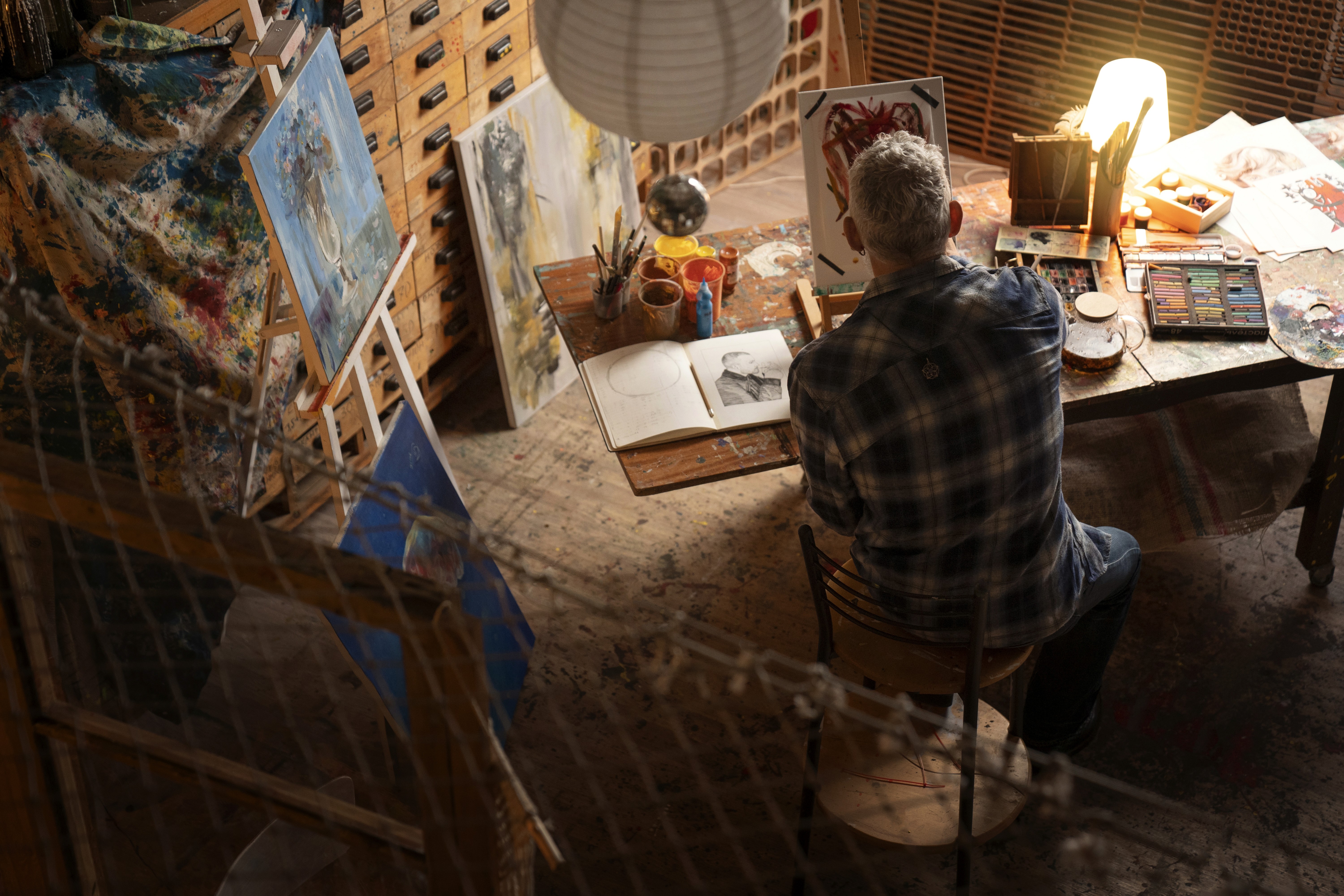
Art is more than colors on a canvas—it’s a story frozen in time, a glimpse into the mind of its creator, and often, a reflection of the era it was born in. Behind every masterpiece lies a narrative, sometimes dramatic, sometimes mysterious, but always fascinating. Today, we take you on a journey behind the canvas, exploring the stories that make famous artworks unforgettable.
1. The Starry Night – Vincent van Gogh
Van Gogh painted The Starry Night in 1889 while staying at the Saint-Paul-de-Mausole asylum in France. The swirling night sky wasn’t just a depiction of what he saw outside his window—it was a reflection of his emotional turbulence. Van Gogh once described the night sky as alive, expressing feelings that words could not capture. Today, it remains one of the most recognizable and beloved pieces of post-impressionist art.
2. Mona Lisa – Leonardo da Vinci
The enigmatic smile of the Mona Lisa has baffled art lovers for centuries. Painted in the early 16th century, Leonardo da Vinci spent years perfecting this masterpiece. Historians still debate the identity of the subject, though most agree she was Lisa Gherardini, a merchant’s wife. Beyond her smile, the painting is a study in technique, perspective, and Leonardo’s obsession with capturing human emotion.
3. The Persistence of Memory – Salvador Dalí
Dalí’s 1931 surrealist painting, The Persistence of Memory, is instantly recognizable for its melting clocks. Inspired by dreams and the subconscious, Dalí challenged our perception of time and reality. The barren landscape mirrors his fascination with emptiness and eternity, while the distorted clocks symbolize the fluidity and fragility of human existence.
4. Guernica – Pablo Picasso
Picasso’s Guernica is more than a painting—it’s a protest. Created in response to the 1937 bombing of the Basque town during the Spanish Civil War, it captures the horrors of war with stark, chaotic imagery. Every figure and fractured form tells a story of pain, suffering, and defiance. Picasso’s monochrome palette intensifies the emotional impact, making it a timeless symbol of anti-war sentiment.
5. Girl with a Pearl Earring – Johannes Vermeer
Often called the “Mona Lisa of the North,” Vermeer’s Girl with a Pearl Earring captivates with her gaze. Painted in the 17th century, the subject’s identity remains a mystery, sparking endless speculation. What makes the painting remarkable is Vermeer’s use of light—how it glides across her face, emphasizing her innocence, curiosity, and the quiet intimacy of the moment.
Why These Stories Matter
Understanding the stories behind these artworks transforms the way we experience art. Each piece is not just a visual experience—it’s a window into history, human emotion, and the creative mind. Whether it’s the emotional turbulence of van Gogh, the social commentary of Picasso, or the dreamlike worlds of Dalí, knowing the context enriches our appreciation and deepens our connection with art.
How You Can Explore Your Own Stories Through Art
Visit galleries and museums: Experiencing art in person can reveal nuances missed in photos.
Research the artists: Knowing their struggles, inspirations, and techniques adds depth.
Create your own narratives: When you paint, sketch, or photograph, think about the story you want to tell.
Art isn’t just decoration—it’s storytelling. The next time you stand before a masterpiece, take a moment to look beyond the brushstrokes and discover the story waiting behind the canvas.
Art is more than colors on a canvas—it’s a story frozen in time, a glimpse into the mind of its creator, and often, a reflection of the era it was born in. Behind every masterpiece lies a narrative, sometimes dramatic, sometimes mysterious, but always fascinating. Today, we take you on a journey behind the canvas, exploring the stories that make famous artworks unforgettable.
1. The Starry Night – Vincent van Gogh
Van Gogh painted The Starry Night in 1889 while staying at the Saint-Paul-de-Mausole asylum in France. The swirling night sky wasn’t just a depiction of what he saw outside his window—it was a reflection of his emotional turbulence. Van Gogh once described the night sky as alive, expressing feelings that words could not capture. Today, it remains one of the most recognizable and beloved pieces of post-impressionist art.
2. Mona Lisa – Leonardo da Vinci
The enigmatic smile of the Mona Lisa has baffled art lovers for centuries. Painted in the early 16th century, Leonardo da Vinci spent years perfecting this masterpiece. Historians still debate the identity of the subject, though most agree she was Lisa Gherardini, a merchant’s wife. Beyond her smile, the painting is a study in technique, perspective, and Leonardo’s obsession with capturing human emotion.
3. The Persistence of Memory – Salvador Dalí
Dalí’s 1931 surrealist painting, The Persistence of Memory, is instantly recognizable for its melting clocks. Inspired by dreams and the subconscious, Dalí challenged our perception of time and reality. The barren landscape mirrors his fascination with emptiness and eternity, while the distorted clocks symbolize the fluidity and fragility of human existence.
4. Guernica – Pablo Picasso
Picasso’s Guernica is more than a painting—it’s a protest. Created in response to the 1937 bombing of the Basque town during the Spanish Civil War, it captures the horrors of war with stark, chaotic imagery. Every figure and fractured form tells a story of pain, suffering, and defiance. Picasso’s monochrome palette intensifies the emotional impact, making it a timeless symbol of anti-war sentiment.
5. Girl with a Pearl Earring – Johannes Vermeer
Often called the “Mona Lisa of the North,” Vermeer’s Girl with a Pearl Earring captivates with her gaze. Painted in the 17th century, the subject’s identity remains a mystery, sparking endless speculation. What makes the painting remarkable is Vermeer’s use of light—how it glides across her face, emphasizing her innocence, curiosity, and the quiet intimacy of the moment.
Why These Stories Matter
Understanding the stories behind these artworks transforms the way we experience art. Each piece is not just a visual experience—it’s a window into history, human emotion, and the creative mind. Whether it’s the emotional turbulence of van Gogh, the social commentary of Picasso, or the dreamlike worlds of Dalí, knowing the context enriches our appreciation and deepens our connection with art.
How You Can Explore Your Own Stories Through Art
Visit galleries and museums: Experiencing art in person can reveal nuances missed in photos.
Research the artists: Knowing their struggles, inspirations, and techniques adds depth.
Create your own narratives: When you paint, sketch, or photograph, think about the story you want to tell.
Art isn’t just decoration—it’s storytelling. The next time you stand before a masterpiece, take a moment to look beyond the brushstrokes and discover the story waiting behind the canvas.
Next Projects
Oct 10, 2025
How Art Influences Fashion and Design Trends
Oct 10, 2025
How Art Influences Fashion and Design Trends

Nov 10, 2024
The Role of Art in Mindfulness and Mental Health
Nov 10, 2024
The Role of Art in Mindfulness and Mental Health
Jun 15, 2025
Art as Investment: How Collectors Spot Value
Jun 15, 2025
Art as Investment: How Collectors Spot Value